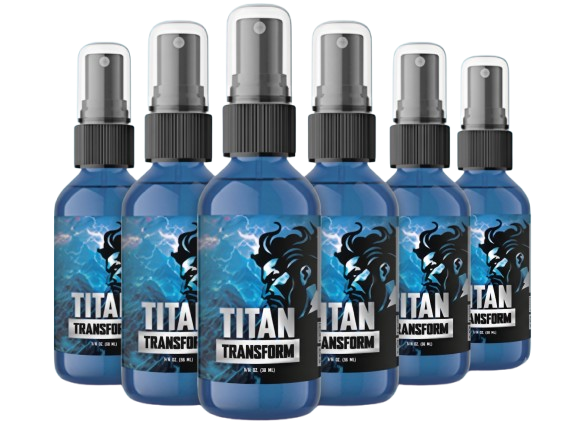
"Thermogenic" gets used loosely in supplement marketing. Here's an honest comparison between the natural thermogenic ingredients in Titan Transform and the synthetic stimulants common elsewhere in this category.
How synthetic stimulants work
Ingredients like high-dose synthetic caffeine or DMAA-family compounds work primarily by stimulating the central nervous system, increasing heart rate and alertness rapidly. This produces a fast, noticeable effect, but often comes with jitteriness, an eventual crash, and tolerance buildup with regular use.
How capsaicin (Cayenne Pepper) works differently
Capsaicinoids are studied for a milder thermogenic effect through a different pathway, involving receptors that respond to heat and mild irritation, producing a modest, temporary increase in calorie expenditure without the same central-nervous-system stimulation.
How EGCG (Green Tea Extract) fits in
Green tea's small natural caffeine content plays a role, but its more studied thermogenic mechanism involves EGCG's interaction with an enzyme involved in fat breakdown, a slower, more metabolic pathway than a direct stimulant effect.
The honest trade-off
Natural thermogenics generally produce a less dramatic, less immediately felt effect than synthetic stimulants. That's the trade-off: a gentler, more gradual mechanism instead of an acute, jittery one. Neither is objectively "better" — they suit different goals and different tolerances.
Give it a real 90-day trial.
$179/bottle Today: from $49/bottle
Order Titan Transform